
Navigating the Virginia Home Buying Process: Tips and Traps


Understanding the Virginia Real Estate Market
Buying a home in Virginia can be an exciting yet complex journey. The state's rich history and diverse landscapes make it an attractive location for many homebuyers. However, understanding the unique aspects of the Virginia real estate market is crucial. From urban areas like Arlington to rural regions in the Shenandoah Valley, each area offers distinct opportunities and challenges.
Researching market trends is a vital first step. Prices can vary significantly, so knowing the average home prices in your desired area will help you plan your budget effectively. Additionally, familiarize yourself with local regulations and property taxes, as these can impact your long-term financial planning.

Financing Your Home Purchase
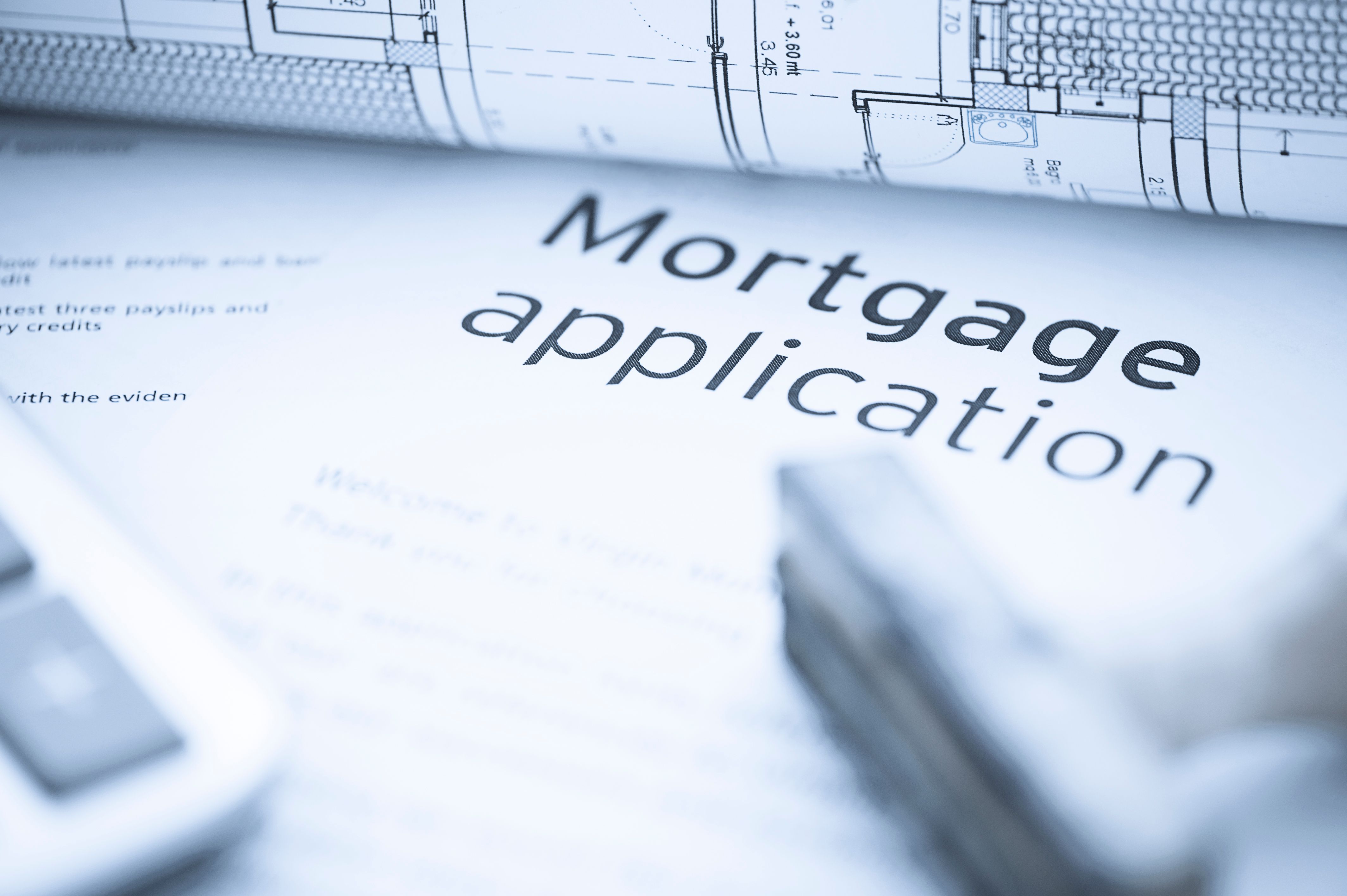
Securing the right financing is essential in the home buying process. Virginia offers various mortgage options, including conventional loans, FHA loans, and VA loans for veterans. Each type has its own benefits and requirements, so it's important to find the one that suits your financial situation.
Before applying for a mortgage, check your credit score. A higher score can lead to better interest rates and more favorable loan terms. It's also wise to get pre-approved for a mortgage, as this can give you a competitive edge when making offers on homes.
The Importance of a Real Estate Agent
Working with a knowledgeable real estate agent can greatly ease the home buying process. An agent familiar with Virginia's housing market can provide valuable insights and guide you through negotiations. They can also help identify potential pitfalls, such as homes with hidden issues or overpriced listings.
When choosing an agent, look for someone who is experienced and well-reviewed. A good agent will advocate for your best interests and help you make informed decisions.

Home Inspections and Contingencies
Once you've found a home you love, arranging a professional home inspection is a critical step. Inspections can uncover potential problems such as structural issues, plumbing concerns, or electrical faults. Addressing these issues early can save you from costly repairs down the line.
It's also beneficial to include contingencies in your offer. These allow you to back out of the deal if certain conditions aren't met, such as the home failing an inspection or financing falling through. Contingencies provide a safety net, ensuring you aren't locked into an unfavorable agreement.
Closing the Deal
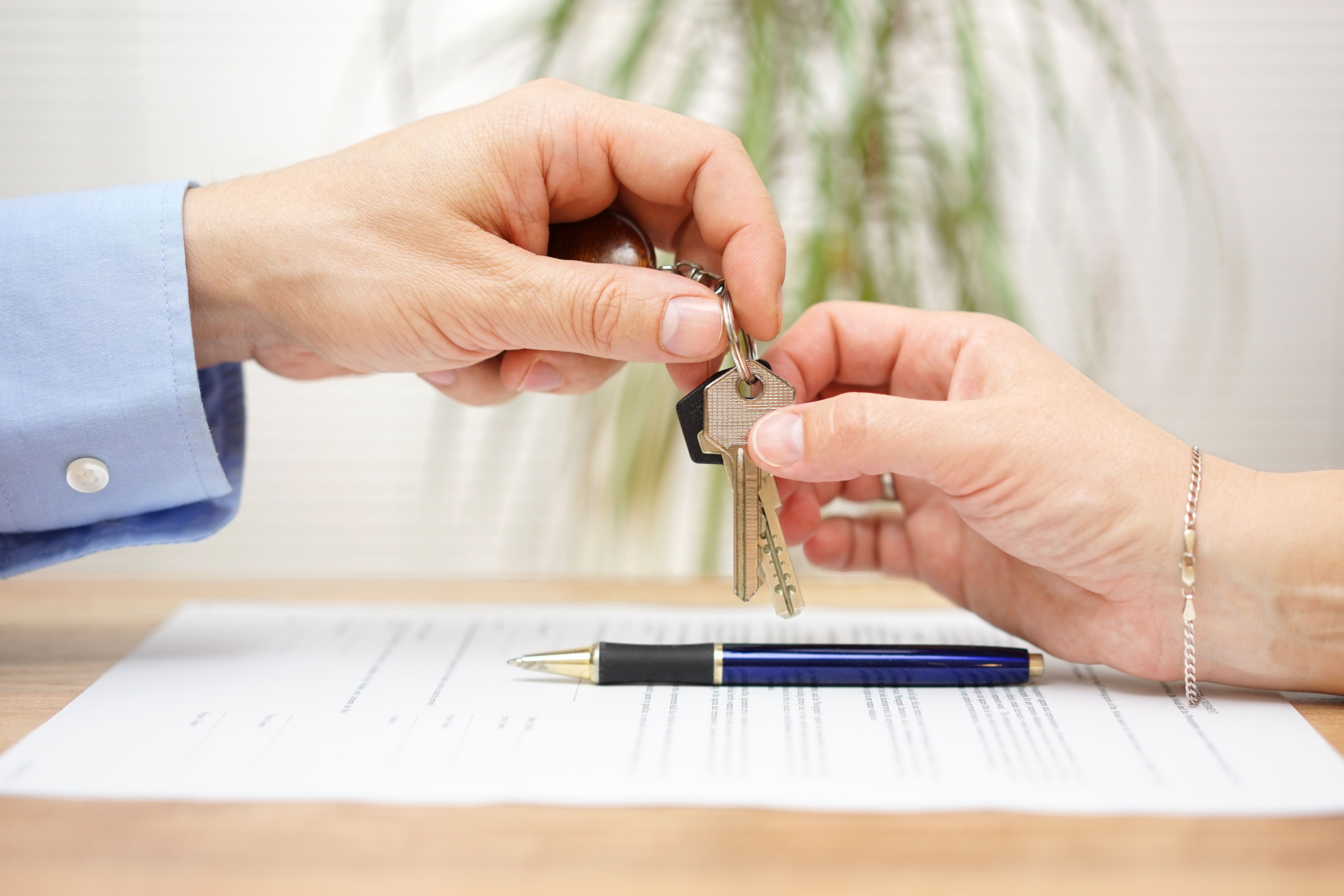
The final step in the home buying process is closing. This involves signing the necessary paperwork and transferring funds. In Virginia, both the buyer and seller typically attend the closing meeting, which is often facilitated by a closing attorney or title company.
Before closing, review all documents carefully, and don't hesitate to ask questions if anything is unclear. Understanding the terms of your purchase agreement ensures a smooth transition to homeownership.
Common Pitfalls to Avoid
While buying a home in Virginia can be rewarding, it's crucial to be aware of common traps. Avoid rushing into a purchase without thorough research or bypassing important steps like inspections. It's also wise to remain flexible and patient, as finding the perfect home may take time.
By staying informed and cautious, you can navigate the Virginia home buying process with confidence and success.